ASIC Miner Hosting UAE for Serious Miners
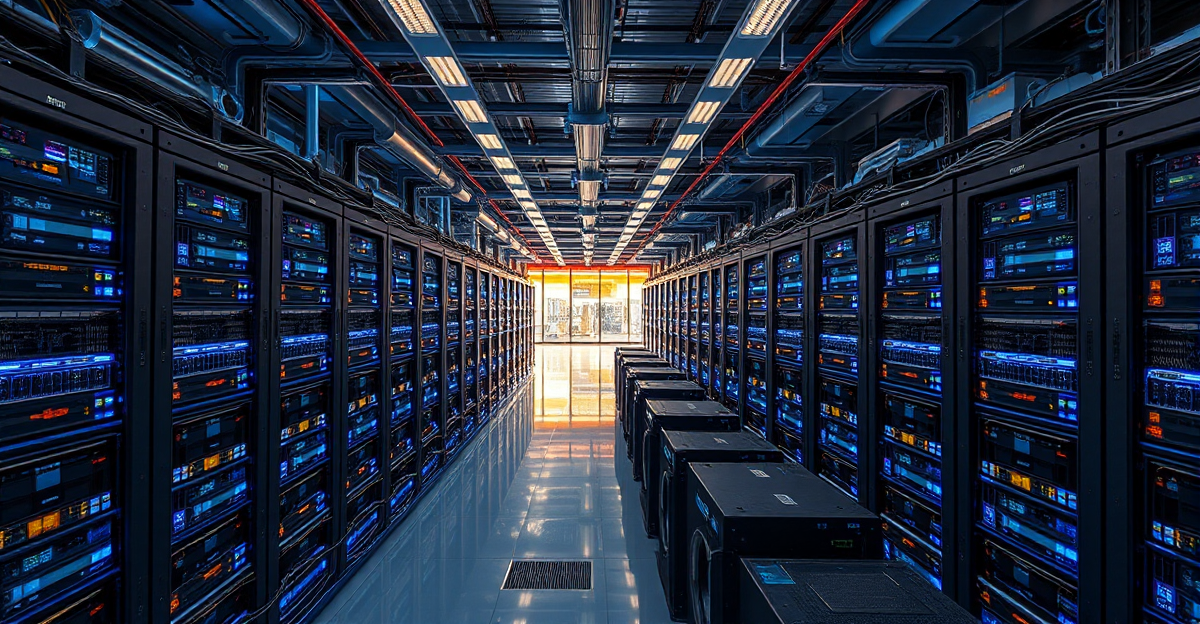
A mining machine can look profitable on a spreadsheet and become an expensive heater the moment it reaches a home or small office. In the Gulf, the gap is even wider. ASIC miner hosting UAE is not simply about finding rack space for an Antminer or WhatsMiner. It is an infrastructure decision that determines how consistently your hardware can convert electricity into Bitcoin.
For miners who own machines, professional hosting removes the operational burden: high-load electrical work, heat extraction, noise control, network configuration, pool management, monitoring, repairs, and physical security. The right provider also gives you visibility into the variables that matter most - hashrate, uptime, power cost, pool performance, and BTC settlements.
ASIC Miner Hosting UAE Is Built Around Heat and Power
An ASIC is designed to run continuously near its intended operating conditions. That is difficult to achieve in a residential setting and especially difficult in a climate where ambient temperatures can remain high for long periods. Excess heat does more than reduce comfort. It can force fans to run harder, raise failure risk, trigger thermal protections, and lower effective uptime.
A professional UAE mining site needs more than air conditioning. It needs power distribution designed for sustained loads, industrial airflow or immersion systems sized for the fleet, filtration and maintenance procedures, and monitoring that identifies a declining machine before it becomes a prolonged outage. Cooling architecture should be matched to the equipment density, local environment, and operational model rather than treated as an afterthought.
Power quality matters just as much. ASICs draw significant, continuous power. A hosting environment should have properly engineered electrical infrastructure, load management, surge protection, backup planning for critical systems, and capacity that is not oversold. A low advertised rate has little value if unreliable power or weak cooling turns it into lost production.
What a Professional Hosting Service Should Cover
Hosting is often marketed as a single monthly fee, but the details determine the real cost and service level. A serious arrangement begins with receiving and documenting the machine, then moves through installation, network setup, firmware checks, pool configuration, and ongoing operational support.
At minimum, the operator should be able to explain how it handles 24/7 monitoring, temperature alarms, machine reboots, offline units, fan or power-supply failures, firmware issues, and physical access. It should also be clear whether repair work is available in-house or sent to a third party, how repair approval works, and whether replacement parts are billed separately.
For fleet owners, reporting is equally important. You should be able to compare your expected hashrate with delivered hashrate and understand why any gap exists. Hashrate can vary because of pool luck, curtailment, firmware settings, machine condition, or hardware faults. Transparent reporting separates normal mining variance from an operational problem that requires attention.
A well-run host also gives customers a clear path to their Bitcoin. Ask whether payouts are daily, how minimum withdrawal thresholds work, whether withdrawals are non-custodial, and which pool settlement model applies. PPS, PPS+, and FPPS are not interchangeable labels. Each affects how block rewards and transaction fees are allocated, so customers should know precisely what their reported production represents.
Energy Pricing Needs Downside Protection
Electricity is the largest controllable cost in Bitcoin mining. The challenge is not only securing a competitive rate when Bitcoin is strong. It is knowing what happens when the BTC price falls, mining difficulty rises, or older generation machines become less efficient relative to the network.
A fixed power rate can make planning easier, but miners should examine whether the rate remains commercially workable across market conditions. Variable structures may look attractive during favorable periods and become difficult to manage when margins narrow. The best choice depends on the machine model, fleet efficiency, holding period, and your tolerance for volatile operating expenses.
MinersME uses a BTC price-protected energy model that caps electricity at $0.05 per kWh when Bitcoin trades below $80,000. For an operator assessing long-term hosting, this type of downside-conscious structure matters because it ties a major operating cost to the economics that drive mining revenue. It does not remove market risk or guarantee profitability, but it can reduce the pressure created by falling Bitcoin prices.
When comparing quotes, ask for the all-in picture. Clarify whether the stated rate includes cooling, rack space, routine monitoring, networking, security, pool configuration, remote hands, and management fees. A cheap headline price can lose its advantage quickly if essential operating services appear later as separate charges.
Commissioning a Hosted ASIC Fleet
The first days after deployment are where good operations become visible. A host should record serial numbers and machine condition, confirm the agreed pool credentials, test hashrate, verify temperatures and fan behavior, and establish the baseline performance for each unit. This makes future troubleshooting far more efficient.
For a single machine, the process can be straightforward. For dozens or hundreds of units, a documented commissioning process is essential. Machines may have different firmware versions, power profiles, age-related performance characteristics, or repair histories. Treating an entire fleet as identical can hide underperforming units and distort production expectations.
Customers should also decide upfront how much operational authority the host has. Can the provider reboot machines automatically? Can it apply approved firmware updates? Is underclocking permitted if economics or temperatures justify it? How are repair limits authorized? Clear rules prevent delays when a machine is offline and ensure the operator acts within the customer’s risk preferences.
Questions to Ask Before Choosing ASIC Miner Hosting in the UAE
Before shipping hardware or purchasing a machine for colocation, request direct answers to these operational questions:
- What is the all-in electricity rate, and which services are included or billed separately?
- How is cooling engineered for summer conditions, and what temperature thresholds trigger action?
- What uptime data can the provider substantiate, and how are outages or curtailment reported?
- Is there an in-house repair center, and what is the approval process for parts and labor?
- How will you see hashrate, energy use, downtime, and BTC production for your specific units?
- Who controls pool settings and wallet withdrawals, and can you withdraw Bitcoin directly to your own wallet?
The answers should be specific enough to support a financial model. Vague promises about “high uptime” or “cheap power” are not enough when a machine’s return depends on daily operations. Look for an operator that can explain its systems in practical terms, show how it reports performance, and acknowledge the conditions that can affect output.
Hosting Is Not the Right Entry Point for Everyone
Physical ASIC hosting suits customers who want direct ownership of equipment and the ability to participate in its long-term performance. It is often a better fit for miners who understand the risks of difficulty changes, hardware depreciation, and Bitcoin price volatility, or who want to build a fleet over time.
It is not always the simplest starting point. Hardware ownership requires more capital, and the owner carries the risk that a machine becomes less competitive as new ASIC generations enter the market. Customers who want smaller exposure without hardware logistics may prefer flexible hashrate purchases, cloud mining, or micro-mining products. Those options can reduce setup friction, though they involve different contract terms and do not provide the same direct ownership of a physical machine.
For commercial operators, the decision may be between using a host and developing a proprietary site. Building a facility gives maximum control, but it also requires expertise in power procurement, electrical engineering, cooling design, construction, staffing, networking, and security. Hosting can be the more capital-efficient path when the priority is deploying machines into operating infrastructure rather than becoming a data-center operator.
The most useful hosting relationship is one that lets you focus on your Bitcoin strategy while the facility handles the realities of operating hardware in the Gulf. Choose the provider that can show its work: how power is priced, how heat is controlled, how machines are repaired, and how your production reaches your wallet each day.