Mining Fleet Management Software for ASICs
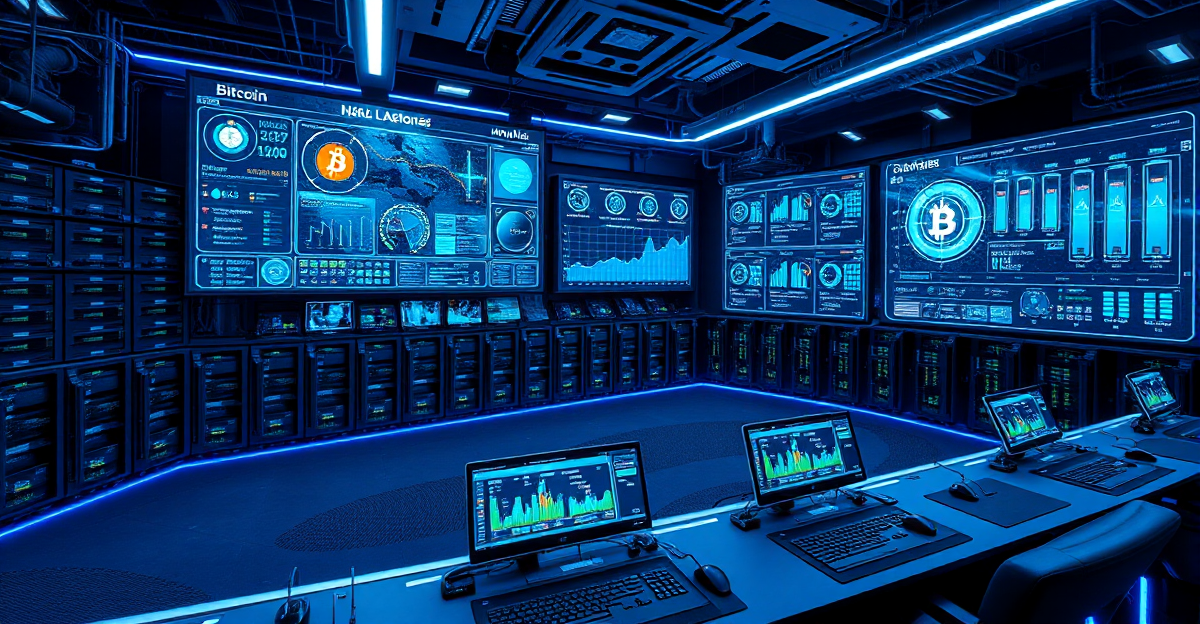
A mining farm can look healthy from the outside while quietly losing Bitcoin every hour. A few underperforming hashboards, a misapplied firmware profile, rising reject rates, or a cluster of miners stuck offline can turn installed capacity into stranded capital. Mining fleet management software gives operators the live visibility and control needed to find those losses before they become part of the monthly power bill.
For a home miner, checking a few machine dashboards may be enough. For a hosted fleet, container, or multi-site operation, it is not. Once dozens or hundreds of ASICs are running, the operational question changes from "Is the miner on?" to "Is every unit producing as expected, and who is accountable when it is not?"
What Mining Fleet Management Software Should Do
At its core, fleet management software brings miner health, hashrate, pool performance, power data, and maintenance activity into one operating view. It should show what is happening now, but its real value is helping an operator act on the data quickly and consistently.
A useful platform identifies machines that are offline, unstable, hashing below their expected range, or generating an unusual number of hardware errors. It also distinguishes between a temporary pool-side issue, a network problem, a power event, and an individual machine failure. Those distinctions matter. Sending a technician to inspect a miner that is only reconnecting to a pool wastes time. Ignoring a miner with a failing hashboard can cost days of production.
The strongest systems connect monitoring with control. Operators should be able to group machines by site, rack, customer, model, firmware version, or operating profile. From there, they can apply approved settings at scale, schedule reboots, adjust pool priorities, or isolate a problem group without manually logging into every device.
Visibility Is Not the Same as Control
Many miners have access to basic dashboards from a pool, firmware provider, or manufacturer. These are useful, but they often answer only part of the operational problem. A pool dashboard can show reported hashrate. It usually cannot tell a facility team whether a specific ASIC is overheating, has a fan issue, is unreachable on the local network, or has been intentionally powered down for maintenance.
Likewise, an individual miner interface may provide detailed diagnostics, but it does not give a fleet manager a practical way to compare 500 machines at once. The operator needs a normalized view of expected versus actual performance, organized in a way that reflects the physical facility.
This is where the difference between monitoring and fleet management becomes clear. Monitoring tells you that something changed. Fleet management software helps determine what changed, where it happened, whether it is material, and what the next operational action should be.
The Metrics That Actually Protect Production
Hashrate remains the headline metric, but it should never be viewed alone. A machine can report near its nominal hashrate while running at an unsafe temperature, consuming more power than planned, or submitting an elevated level of rejected shares. Those issues may not stop production immediately, but they affect efficiency, hardware life, and the reliability of payout forecasts.
A practical operating screen should bring together real-time hashrate, average hashrate over a meaningful period, uptime, miner status, temperature readings, fan performance, chip or hashboard errors, and pool acceptance rates. For operators who manage power budgets, energy consumption and efficiency in joules per terahash are equally valuable.
The right thresholds depend on the fleet. A newer Antminer operating in a controlled immersion environment should not be judged by the same limits as an older air-cooled unit in a hotter facility. This is why configurable alerts matter. Generic alarm settings create noise. Site-specific thresholds help teams prioritize events that can affect output or equipment.
Faster Response Has a Direct Bitcoin Value
Downtime is one of the clearest ways a mining operation loses revenue. But the financial impact is not limited to fully offline machines. Partial degradation is often harder to catch and can be just as costly over time.
Consider an ASIC fleet where several units are each producing 10% below expected hashrate. No single unit may appear urgent, yet the combined shortfall can be significant. Without performance baselines and exception alerts, those machines may remain online but underproductive for weeks.
Good software shortens the path from alert to resolution. A technician should be able to see the unit identifier, location, recent status history, error pattern, temperature trend, and assigned customer or operating group before walking to the rack. After service, the same platform should confirm whether the repair restored expected performance.
That workflow also improves accountability. Facility operators can document when an issue was detected, when it was investigated, what action was taken, and when production returned. For hosted miners, this creates a clearer operational record than informal updates and disconnected spreadsheets.
Remote Management Needs Guardrails
Remote rebooting, bulk configuration, and automated actions can reduce response time dramatically. They can also create problems when used without controls. A fleet-wide configuration change applied to the wrong group can interrupt a large amount of hashrate at once.
The answer is not to avoid automation. It is to use role-based access, confirmation steps, saved configuration templates, and carefully defined device groups. A hosting customer may need visibility into their machines and payout-related performance, while the facility team needs authority to manage networking, firmware, cooling events, and maintenance actions. These permissions should be separate.
Security is another operational requirement, not a software add-on. ASIC fleets are valuable assets with direct exposure to Bitcoin production. Access controls, audit logs, secure user management, and the ability to remove inactive accounts help protect both the facility and its customers.
Mining Fleet Management Software Across Multiple Sites
Single-site mining has one set of challenges. Multi-site operations add another layer: different power contracts, ambient conditions, cooling designs, network providers, miner generations, and local service teams. Comparing raw hashrate across locations is not enough.
A centralized platform should let operators view the entire business while drilling down into each site. Management may want total installed hashrate, active hashrate, uptime, and fleet exceptions. A site engineer needs rack-level data and actionable alerts. A customer needs a transparent view of the machines they own, their production status, and service history.
This structure becomes especially valuable in regions with demanding climate conditions. In the UAE and wider GCC, cooling performance and thermal management are central to ASIC reliability. Software cannot replace proper electrical and cooling engineering, but it gives the operating team early signals when temperatures, fan behavior, or error rates begin to move outside normal ranges.
Choosing a Platform for Your Operation
The right platform depends on fleet size, who operates the facility, and how much control the owner needs. A small owner with a handful of hosted ASICs may prioritize clear live status and transparent production reporting. An independent farm may need bulk control, API access, detailed alerts, technician workflows, and multi-site permissions.
Before selecting a system, test whether it can answer practical questions quickly: Which miners are underperforming right now? Where are they located? Has the problem happened before? Can the team act remotely? Can the customer see the relevant status without gaining access to facility controls? If those answers require several tools and manual reconciliation, the operating stack is not yet doing its job.
MinersME Cloud is designed around this operational reality, combining fleet visibility with the controls needed to manage professional ASIC infrastructure. For operators, the goal is not more dashboards. It is fewer blind spots between a machine fault, a technician response, and restored Bitcoin production.
Build Around Decisions, Not Data
The best mining fleet management software does not replace experienced technicians, sound power procurement, or well-engineered cooling. It makes each of those investments easier to manage. When every ASIC has a measurable baseline, every alert has an owner, and every repair can be verified against production data, a mining fleet becomes easier to scale without losing operational discipline.
That is the standard worth setting before the next machine is installed: know what each unit should produce, know when it deviates, and have a clear path to bring it back online.